Interested?
Need Reactive Power Compensation?
We'll prepare a design, implement the solution, and ensure the stability of your network.
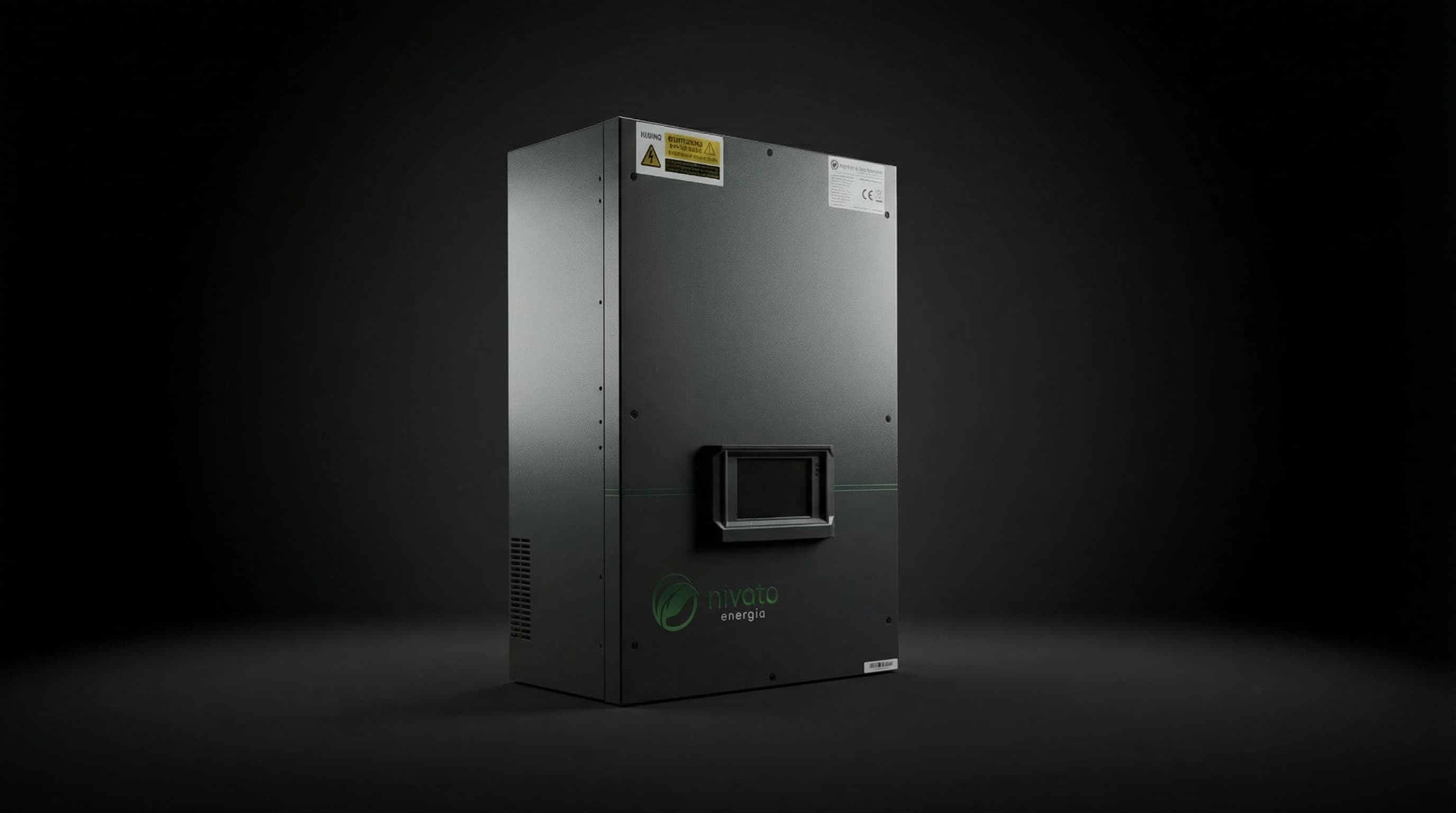
Energy Efficiency
Excess reactive power increases energy losses and costs. Choose compensation systems with Nivato for a reliable, stable network.
Stability and savings
Excess reactive power in electrical installations causes energy losses, network overloads, and higher electricity bills.
Properly selected compensation systems restore the correct power factor, increase voltage stability, and improve the operational safety of devices.
Process Realization
Preparation for implementing compensation systems requires gathering basic information about the installation and its parameters.
Interested?
We'll prepare a design, implement the solution, and ensure the stability of your network.
Implementation Stages
See how the process of analyzing and implementing compensation systems works step by step with our team.
Analysis of energy consumption, reactive power, and power factor at selected installation points.
Development of a technical concept for the compensation system tailored to actual needs.
Preparation of full design documentation and investment cost estimates.
Installation of compensators, their configuration, and integration with the existing infrastructure.
Continuous system monitoring with the option for remote supervision and system adjustments.
Free technical analysis